
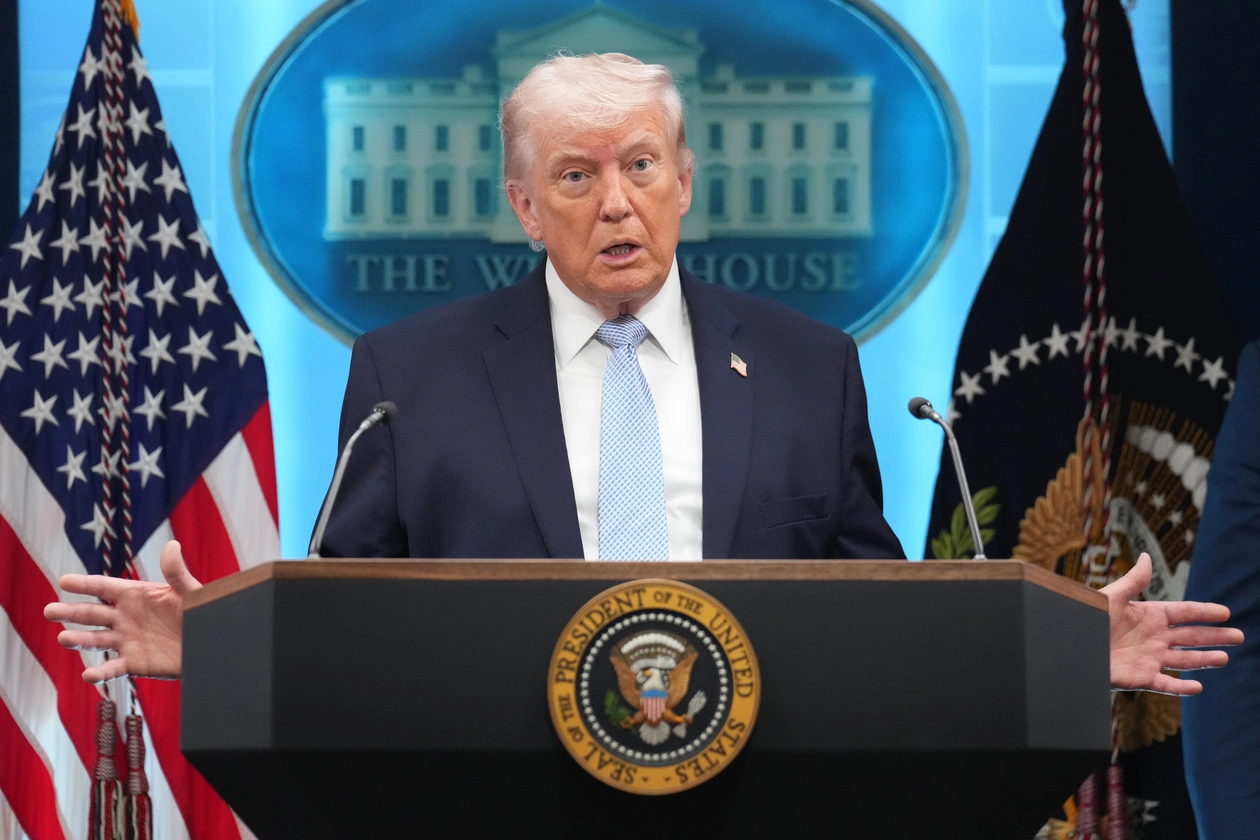
Donald Trump has threatened to jail a journalist as part of an effort to identify the source behind reports that a second U.S. Air Force officer from a downed fighter jet was missing.
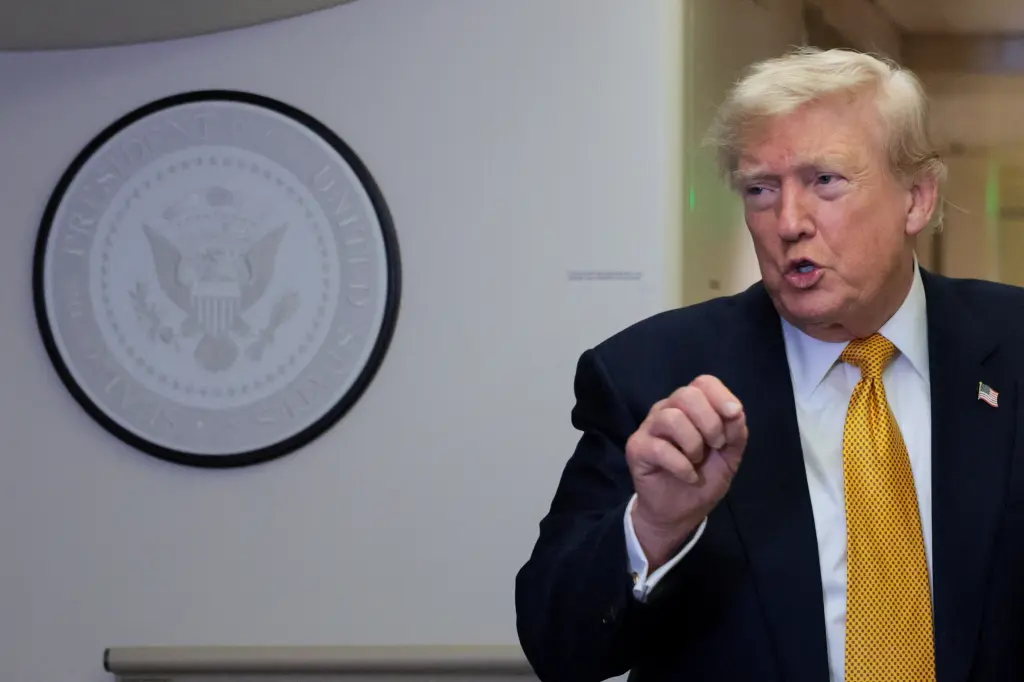
Speaking at the White House on Monday, April 6. Trump said the disclosure complicated ongoing military rescue operations in Iran. Officials had attempted to keep details of the mission confidential following the successful recovery of the first airman.
“We’re going to go to the media company that released it, and we’re going to say, ‘National security, give it up or go to jail,’” Trump said while describing the rescue efforts. “The person that did the story will go to jail if he doesn’t say.”
Trump did not name the media outlet involved, and a White House official declined to provide further clarification. Iranian media had initially reported the downed aircraft, triggering widespread online speculation about the crew before major U.S. outlets confirmed the development.
An investigation into the leak is currently underway, according to a White House official.
Several organisations, including CNN, reported on the missing airmen and subsequent rescue operations. The second officer was eventually recovered early Sunday in a high-risk mission that John Ratcliffe described as “comparable to hunting for a single grain of sand in the middle of a desert.”
Trump argued that the leak alerted Iranian forces and made the mission more dangerous.
“It became a much more difficult operation because a leaker leaked,” he said. “All of a sudden, the entire country of Iran knew that there was a pilot somewhere on their land fighting for his life.”
The remarks mark a further escalation in tensions between the administration and the media. Trump has repeatedly criticised news organisations, pursued legal action against several outlets, and sought to limit press access to key government spaces.
His administration has also pushed policies affecting media operations, including attempts to restrict coverage at the White House and Pentagon, and proposals impacting public broadcasters.
More recently, a legal dispute involving The New York Times challenged new Pentagon rules requiring journalists to report only government-approved information. A judge ruled in favour of the challenge, ordering the restoration of certain reporters’ credentials.
In response, the Department of Defense said it would relocate media offices outside its headquarters, moving journalists to a separate annex facility once completed.